
Plastic Surgeon in Laguna Beach
Meet Dr. Daniel Mills
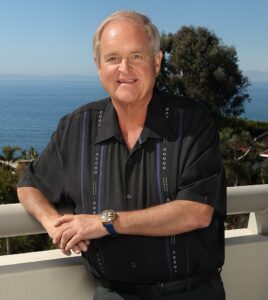 Thank you for taking the time to visit my practice website. I hope that after visiting my website, you have a better understanding of my approach to plastic surgery.
I am a compassionate and ethical physician who wants nothing more than to enhance your happiness – an objective which, I believe, begins with a sturdy patient–doctor relationship. This is why my staff and I dedicate ample time to consultations. Each initial meeting provides an essential opportunity for both you and me to exchange and share information, and for me to fully understand your individual needs and concerns.
My goal is to equip you with comprehensive information to help you make an informed choice that aligns with your best interests. Beyond providing access to before-and-after photos, educational resources, and videos, we’re also willing to facilitate conversations with previous patients about their surgical experiences. Ultimately, it’s important to me that every patient feels more informed and at ease when they leave our office than when they arrived.
I believe that both my team and our facility exemplify the values and high standards I hold for patient care. Along with my experienced staff, I recognize the importance of the decision you’re facing when you pursue aesthetic or reconstructive surgery. We are wholly devoted to addressing your needs and guiding you through your decision-making process. To achieve the best outcomes, we emphasize the importance of regular follow-up care. Moreover, most of our surgical procedures are conducted at the Oceanview Ambulatory Surgery Center, Inc. – a private, state-of-the-art facility adjacent to our office. As a Medicare-certified facility, the center upholds most rigorous safety and privacy standards.
Thanks again for visiting my site. On behalf of myself and the rest of the Aesthetic Plastic Surgical Institute team, we eagerly await the chance to meet your needs and exceed your expectations. Please do not hesitate to email or call my staff to ask any further questions. I hope to see you soon for your own consultation.
Very Truly Yours,
Daniel C. Mills, M.D., F.A.C.S.
“It was a pleasure meeting Dr. Mills. I’ve had a few major surgeries and never has a surgeon spend the time that Dr. Mills spent with Jen and I, he’s awesome.”
Education & Professional Background
Dr. Mills continues a family legacy in the medical profession; he was born into a family that has grown to have nineteen medical doctors. He completed his medical education at Loma Linda University School of Medicine and the general surgery requirements for his plastic surgery residency at Wright State University. Following his general surgery training, he finished his plastic surgery residency at the Medical College of Ohio and was elected for an additional fellowship year of specialty training in aesthetic surgery in Phoenix, Arizona.
Dr. Mills served as the President of the California Society of Plastic Surgeons from June 2007 until June 2008 and is an active member in good standing with the:
- The Aesthetic Society®
- California Society of Plastic Surgeons
- American College of Surgeons
In addition to more than three decades of experience in private practice and 10 years of plastic surgery residency teaching at Loma Linda University, Dr. Mills has been recognized for his innovations and contributions to plastic surgery. Dr. Mills has published numerous books and papers and has presented in front of national and international audiences at plastic surgery meetings. (For a complete listing of training, affiliations, publications and presentations, see Dr. Mills’ curriculum vitae listed below.)
Beyond his practice, staff positions and society affiliations, Dr. Mills believes wholeheartedly in using his plastic surgery skills to benefit the lives of others. He partners with a charity in Baja, Mexico called “Amigos de los Niños” and Operation Good Samaritan to provide plastic and reconstructive surgery for impoverished children with congenital and acquired deformities, such as cleft lip/palate and burns. In addition to these missionary trips, Dr. Mills works hand-in-hand with Community Services Project. Specifically, Dr. Mills removes the visible tattoos that typically hinder reformed gang members from getting jobs.
Dr. Mills hopes that his education and experience will not only carry on his family’s legacy in the medical profession, but will leave a lasting impression on the lives of his patients and community at large.
Dr. Mills’ Accomplishments as President of The Aesthetic Society®
As past President of the American Society for Aesthetic Plastic Surgery (ASAPS), which is now known as The Aesthetic Society®, Dr. Mills was committed to helping improve the level of care plastic surgery patients receive worldwide. During his tenure, he has headed numerous initiatives intended to strengthen relationships, communication, and data-sharing within the aesthetic medical community—all in an attempt to further the education and expertise of physicians for improved patient care and superior long-term outcomes.
One such initiative Dr. Mills has taken on during his time as President was developing better relations between ASAPS and its sister societies. As part of this effort, he played an integral role in organizing a joint meeting for aesthetic medicine and practice management with ASAPS, the American Society of Plastic Surgeons (ASPS), the American Society for Dermatologic Surgery (ASDS), the American Academy of Facial Plastic and Reconstructive Surgery (AAFPRS), and the American Society of Ophthalmic Plastic and Reconstructive Surgery (ASOPRS).
Another goal Dr. Mills set forth to accomplish was initiating a consumer rating system for 510(k) devices, such as CoolSculpting®, Ulthera®, and various other technologies. This rating system allows physicians to grade novel devices on a one-to five-star scale based on their experience with the treatment, enabling aesthetic doctors all over the nation to view what their peers have to say prior to purchasing and/or using the technology themselves. To safeguard against false testimony, only physicians who have the instrumentation are able to submit ratings.
Perhaps Dr. Mills’ greatest accomplishment is the creation of the Aesthetic Neural Network (ANN) for data collection. Designed to automatically extract operative information from a surgeon’s practice software, ANN compiles data and correlates it into electronic medical records so physicians can study previous outcomes and review factors such as complications, longevity of results, and more. Eventually, it will be possible to obtain data from up to 15 years prior, providing hundreds of thousands—if not millions—of patient cases for review. The advanced statistics made possible by the Aesthetic Neural Network positions The Aesthetic Society® as a leader in aesthetic medicine for the foreseeable future while, more importantly, helping practitioners achieve better outcomes for their patients.
“There’s no question that in going to all of the regional societies during my tenure, I certainly received huge amounts of education and read papers that have expanded my knowledge base,” Dr. Mills says in regard to the positive impact the The Aesthetic Society® presidency has had on him. “I’ve also been able to interact with physicians all over the globe to pick their brains about how their practices differ, enabling me to compare, contrast, and ultimately implement methodologies that I believe will be most beneficial for patients at my own practice.”
Dr. Mills’ term as President of The Aesthetic Society® began in April of 2016 and concluded in April of 2017.
What Is a Plastic Surgeon?
Plastic surgeons are doctors who have completed additional medical training and education to perform procedures that focus on restoration, aesthetic enhancement, reconstruction, reparation, or modification of specific body areas. Dr. Mills is a plastic surgeon who primarily performs treatments designed to cosmetically enhance one’s appearance, utilizing his extensive experience and skills to improve the look of the skin, recontour and renew areas of the body, and help patients attain the appearance they desire. To help patients meet their goals, Dr. Mills offers a comprehensive array of surgical procedures for the breasts, body, and face, in addition to a variety of non-surgical cosmetic enhancement options.
Why Choose a Board-Certified Plastic Surgeon?
Dr. Mills is a board-certified plastic surgeon, and this distinction is a very important one. Certification by the American Board of Plastic Surgery indicates that a plastic surgeon has an extensive level of education, training, and experience with plastic surgery procedures. Surgeons who apply for ABPS certification are required to prove their knowledge and abilities through rigorous testing, including both written and oral exams. There are also strict requirements regarding their educational histories and training. Board-certified plastic surgeons must go through the process again every 10 years in order to recertify. By choosing a board-certified plastic surgeon, you are able to increase the chance that you will receive the absolute highest standards of care and safety, as well as results that meet or exceed your expectations.
How to Select the Best Plastic Surgeon for Your Needs
One of the most important stages of your research into the plastic surgery options for which you are considering is the selection of your plastic surgeon. Here are a few tips on specific things to look for while searching for the best plastic surgeon for your needs:
Experience, Credentials, and Background
A surgeon’s website typically has a page devoted to biographical information. Take a look through this information to gain a better understanding of the surgeon’s history and background. Helpful details include the doctor’s educational history, memberships in medical/plastic surgery organizations, board-certifications, awards and honors, and years in practice.
Patient Reviews and Testimonials
Testimonials and plastic surgeon reviews from previous patients can often serve as a very useful window into the type of service you can expect. These are frequently available on the surgeon’s website or through third-party online review sites.
Before-and-After Treatment Photos
A gallery of plastic surgery before-and-after photos featuring the doctor’s own patients can be an informative tool when it comes to determining their level of skill. These photo galleries can show you the outcomes experienced by patients who may have had the very procedures you are considering, helping you see the potential of specific treatments. If the practice’s website does not have a before-and-after photo gallery, you can always ask to see these images when you visit the office.
Once you have a few specific choices among plastic surgeons in mind, it’s also very important to meet with the doctor and evaluate your comfort level. Do they listen attentively to your needs and goals? Do you feel that they thoroughly discuss your options and honestly talk with you about risks and benefits? Do they seem compassionate as well as knowledgeable? Do they have a sufficient amount of experience with the specific procedure you are considering? Will the procedure be customized to your needs? These are just a few questions to ask yourself as you meet with the plastic surgeon. The treatment process is a collaboration between you and the surgeon, so you should always feel confident in their abilities and comfortable in their care.
Dr. Mills has decades of experience in plastic surgery and has held many leadership positions in the field. At our practice, Dr. Mills is committed to providing patients with not only the highest standards of safety and exceptional results, but also honest communication and compassionate care. If you have questions for Dr. Mills, or if you would like to schedule an in-person consultation with our plastic surgeon, please don’t hesitate to contact Aesthetic Plastic Surgical Institute today.